Getting Started with Ledger.com/Start — A Detailed, Updated Guide
With cryptocurrencies, security matters more than ever. If you’ve acquired a hardware wallet from Ledger — for example a Ledger Nano X, Ledger Nano S Plus, or Ledger Stax — your first and most important step is to start at Ledger.com/Start. This page is the official gateway for device setup, ensuring you get the right software, correct instructions, and a secure foundation for managing your crypto holdings. In this guide, you will get a complete overview of why Ledger.com/Start matters, how to use it correctly, what to prepare beforehand, a full setup walkthrough, and best practices to keep your wallet safe.
Why Ledger.com/Start Is Critical for a Safe Setup
Starting with Ledger.com/Start ensures that you get:
Genuine software & firmware — the official installer for the companion app (and any updates).
docs-start-ledger-com.webflow.io
+2
setup-ledger-com.framer.ai
+2
Model-specific instructions — setup steps tailored to whatever hardware wallet you own (e.g. Nano X, Nano S Plus, Stax).
docs-start-ledger-com.webflow.io
+2
info-ledgercom-strt.pages.dev
+2
Security guidance & warnings — advice on how to manage your recovery phrase, PIN, device authenticity, and safe usage practices.
faq-en-ledger-com-start.teachable.com
+2
startledger.ghost.io
+2
In a world where fake wallet websites, phishing scams, and malicious software are increasingly common, Ledger.com/Start is your trusted, verified “on-ramp” to safely set up and manage your hardware wallet. Skipping this step or using random download links dramatically increases risk.
What You Should Have Before You Begin
To make setup smooth and secure, ensure you have:
A brand-new Ledger hardware wallet (Nano X, Nano S Plus, Stax, or other supported model), with intact packaging and no signs of tampering.
info-ledgercom-strt.pages.dev
+2
guide-ledgo-com.pages.dev
+2
The USB cable included with the wallet — or Bluetooth availability if your device supports it (e.g. Nano X + mobile).
info-ledgercom-strt.pages.dev
+1
A computer or smartphone with stable internet and a modern browser (to download the official companion software).
info-ledgercom-strt.pages.dev
+1
The blank recovery-phrase sheet provided inside the box (or another secure offline medium) and a pen or writing tool.
info-ledgercom-strt.pages.dev
+1
A quiet and private place where you can work undisturbed and carefully follow security steps — avoid public computers or shared devices.
faq-en-ledger-com-start.teachable.com
+1
Having everything ready ahead of time reduces mistakes and gives you a clean path to setup.
Step-by-Step: Setting Up via Ledger.com/Start
Here is a detailed walkthrough for setting up your Ledger wallet safely using Ledger.com/Start.
Visit Ledger.com/Start Carefully
Open your browser and manually type “ledger.com/start” in the address bar. Double-check that you see the correct URL and a valid security certificate (padlock). Avoid search-engine ads or random links — phishing sites sometimes mimic Ledger’s design.
Google Sites
+2
guide-ledgo-com.pages.dev
+2
This ensures you are using the legitimate onboarding portal and not a malicious imitation.
guidance
+1
Choose Your Device Model
On the page, select the exact Ledger hardware wallet you own — e.g. Nano S Plus, Nano X, or Stax. The setup instructions will adjust based on your model’s capabilities (USB only vs Bluetooth, etc.).
docs-start-ledger-com.webflow.io
+2
info-ledgercom-strt.pages.dev
+2
Using the correct model ensures you get relevant instructions and avoid configuration errors.
Download the Official Companion App (Ledger Live)
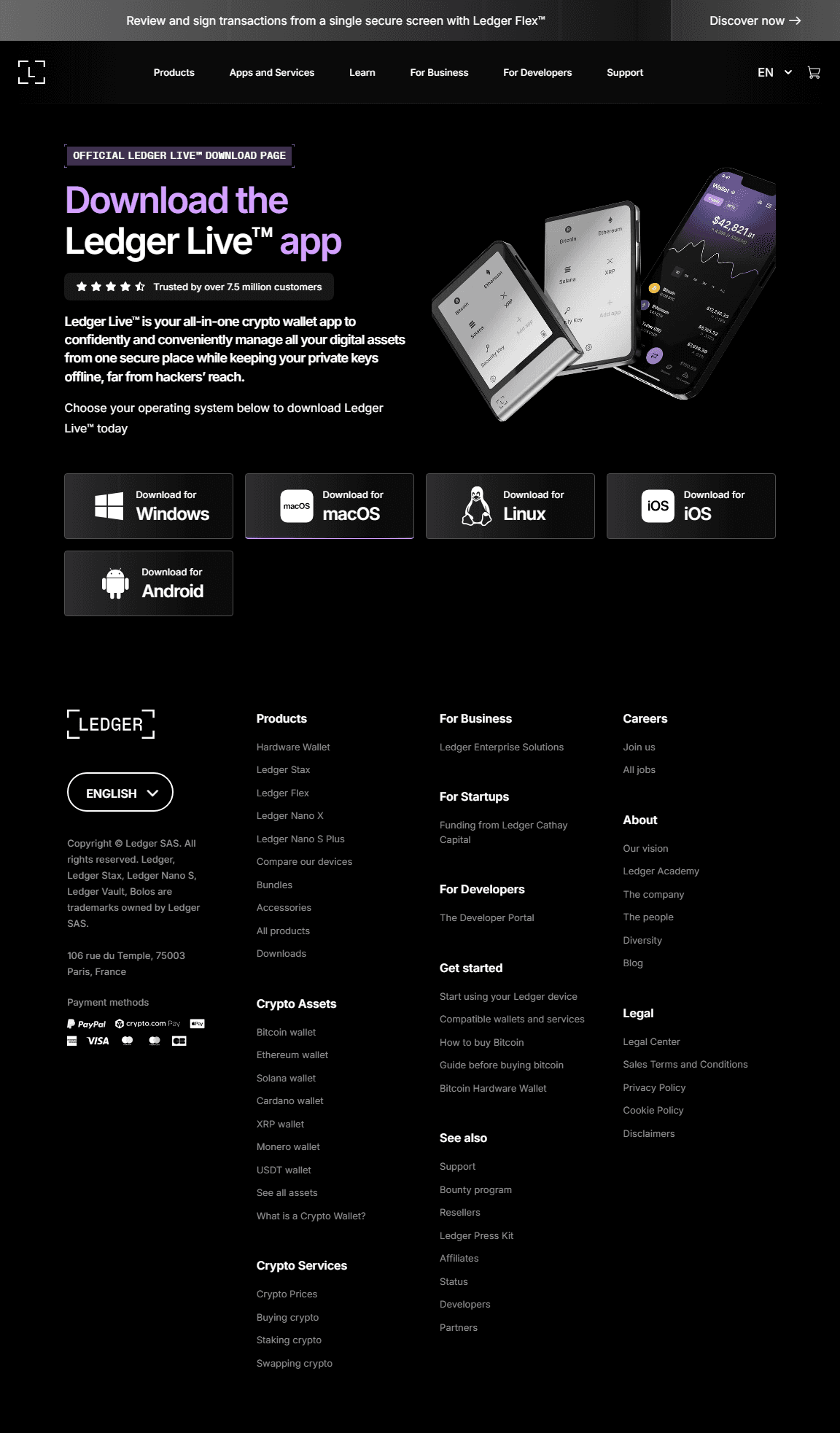
Once you select your model, the site will prompt you to download Ledger Live — the official app used to manage your wallet, install coin-specific apps, view balances, and carry out transactions. Versions are available for desktop (Windows, macOS, Linux) and mobile (iOS, Android) depending on your needs.
learn-start-leadger-faq.teachable.com
+2
ledgercom-en-us-learn.teachable.com
+2
Only use the version provided directly through Ledger.com/Start — never trust third-party or unofficial software, as those increase the danger of seed-phrase theft or malware intrusion.
guidance
+2
startledger.ghost.io
+2
After downloading, install the app on your device.
Unbox, Inspect, and Connect Your Ledger Wallet
Open the Ledger packaging and check that everything is intact — the device should be unused, the seal unbroken, and all contents present (device, USB cable or Bluetooth accessory, blank recovery sheets, documentation). If anything seems tampered or pre-configured, do not proceed — contact support or return the device.
info-ledgercom-strt.pages.dev
+2
guide-ledgo-com.pages.dev
+2
Plug in your Ledger wallet (or pair via Bluetooth, if supported). Power it on and begin the device initialization process.
Ledger Getting Started Guide
+2
setup-ledger-com.framer.ai
+2
Initialize Device: Set a PIN, Generate Recovery Phrase
When prompted, choose “Set up as new device.” Then:
Create a secure 4-8 digit PIN. Avoid overly simple codes. This PIN will be required every time you access the wallet.
startguide-ledger.teachable.com
+1
The device will then generate a 24-word recovery phrase (seed). This phrase is the only way to recover your wallet if the device is lost, damaged, or reset.
setup-ledger-com.framer.ai
+2
startguide-ledger.teachable.com
+2
Use the provided recovery sheet (or another secure, offline medium) to write down the 24 words in the correct order. Double-check every word and order carefully. Do not store the phrase digitally, take photos, or copy it into any file — these practices greatly increase the risk of theft.
info-ledgercom-strt.pages.dev
+2
ledgr-com-index.pages.dev
+2
Once written, confirm the phrase on the device (it may ask you to select certain words to verify you recorded them correctly). This step ensures you didn’t make mistakes.
startguide-ledger.teachable.com
+1
Finalize Setup in Ledger Live: Install Apps, Add Accounts
After initialization, open Ledger Live. Use the “Manager” tab to install the apps for different blockchains you intend to use (for example, Bitcoin, Ethereum, etc.). This ensures your device can handle transactions and addresses for those networks.
learn-start-leadger-faq.teachable.com
+2
startledger.ghost.io
+2
Then, in Ledger Live, go to “Add Account” and choose which cryptocurrency account to create. The app will detect your wallet’s public keys and generate valid receiving addresses. You are now ready to receive and send crypto, check balances, or explore more advanced features like staking or NFTs (for supported networks).
setup-ledger-com.framer.ai
+2
Ledger Getting Started Guide
+2
Key Security Tips and Best Practices
Your wallet’s safety depends heavily on your behavior. Here are essential security recommendations:
Download only from Ledger.com/Start. Fake or altered versions of Ledger Live are a common method for thieves to steal recovery phrases.
guidance
+2
setup-ledger-com.framer.ai
+2
Keep your recovery phrase offline and private. Never store it digitally, take screenshots, or photograph it. If someone obtains this phrase, they’ll have full access to your funds.
info-ledgercom-strt.pages.dev
+2
ledgr-com-index.pages.dev
+2
Choose a strong, unique PIN. Avoid simple or guessable codes. The PIN protects access to the hardware wallet if someone physically obtains it.
startguide-ledger.teachable.com
+1
Verify device authenticity and packaging. Always check for tampering before starting setup — devices must be new, sealed, and unused.
info-ledgercom-strt.pages.dev
+1
Only use trusted devices and networks. Avoid public computers or untrusted networks when setting up or using your wallet.
faq-en-ledger-com-start.teachable.com
+1
Keep firmware and software updated. Ledger occasionally issues updates to patch security vulnerabilities or improve compatibility. Use official channels to update.
learn-start-ledgeer-faq.teachable.com
+1
Common Mistakes to Avoid
Many of the risks new users face stem from avoidable mistakes. Here are some common ones — and how to avoid them:
Downloading from unofficial or third-party sources. Always use Ledger.com/Start. Fake installers are a frequent attack vector.
Storing recovery phrases digitally. Cloud, notes, photos — all can be breached or hacked. Always use offline, physical media.
Using second-hand or pre-configured hardware wallets. These could be compromised before you ever receive them. Always buy new from official or authorized sellers.
Entering recovery phrase into apps or websites. The phrase should only ever be handled on the hardware wallet during setup or recovery.
Ignoring firmware updates. Old firmware may have vulnerabilities; regular updates help keep your wallet secure.
Rushing setup or working in insecure environments. Take your time; mistakes during setup are often irreversible.
What Comes After Setup: Ongoing Use of Your Ledger Wallet
Once setup is complete, your Ledger hardware wallet and the Ledger Live app become the central tools for managing your crypto possessions. Typical tasks include:
Receiving crypto: Use Ledger Live to generate a receiving address; confirm the address on your hardware wallet for safety.
Sending crypto: When sending assets, always verify the destination address and transaction details on your hardware wallet before approving.
Managing multiple blockchains: Install only the blockchain apps you need; this keeps the device organized and efficient.
Exploring advanced uses: Many Ledger-compatible assets support staking, NFTs, DeFi, and token swaps — depending on network compatibility.
Maintaining security: Periodically check for software or firmware updates, and store your recovery sheet securely.
By following the official path via Ledger.com/Start and using the wallet correctly, you maintain full “self-custody”: you, and only you, control your private keys and funds.
Why Ledger.com/Start Remains the Recommended Entry Point
In the volatile and security-sensitive world of cryptocurrency, starting with the right steps can make the difference between safe ownership and catastrophic loss. Ledger.com/Start serves as:
A verified gateway to genuine wallet software and device setup commands.
A central resource that simplifies onboarding, especially for new users unfamiliar with hardware wallets.
A security checkpoint that reduces the possibility of mistakes, scams, or tampering.
A foundation for all future wallet operations — transactions, token management, updates, and recovery.
By adhering to its guidance, you build strong habits and maintain security from day one.
Conclusion
Your journey into secure crypto ownership should always begin with Ledger.com/Start. From unboxing and verifying a genuine device, to downloading the official app, initializing your wallet, and securely storing your recovery phrase — every step matters. Following the methodical instructions, combined with good security practices, ensures that your digital assets remain protected, private, and under your full control